原文⑦
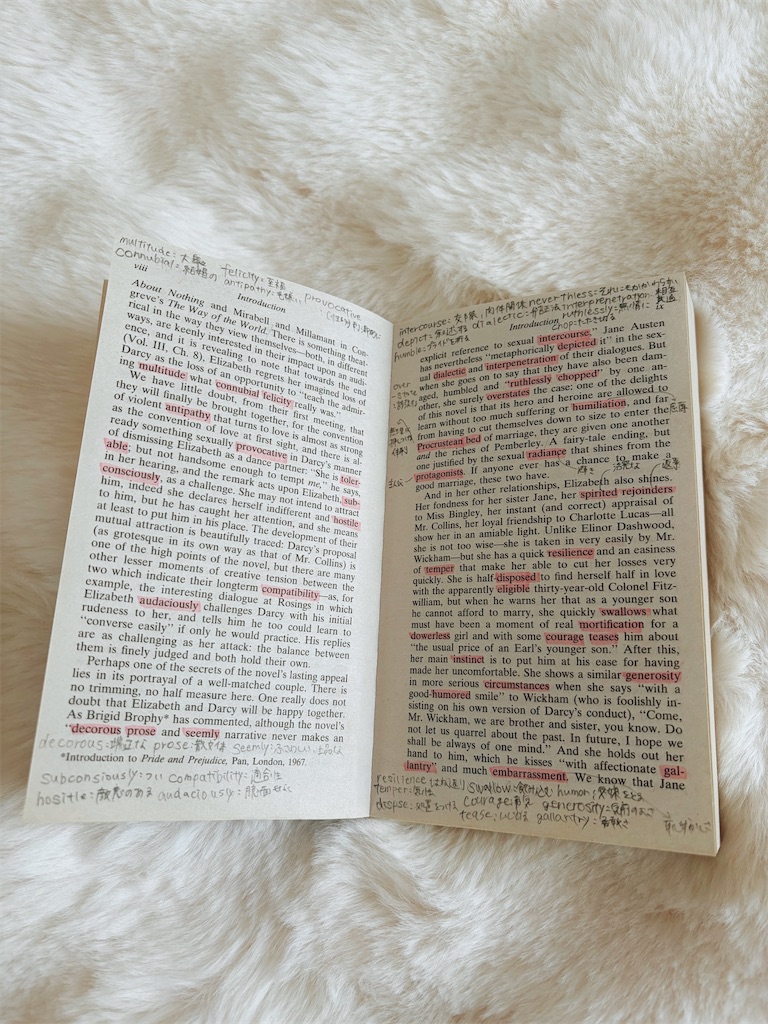
One notes that both these early admirers select for special praise the "ordinariness" of the plot, and contrast it with the sentimental improbabilities and Gothic horror of much popular fiction (of which Scott himself, as he admits, was often guilty).
🧠 ステップ①:主文の骨格
One notes that …
「~ということに気づく」「~という点は注目に値する」
“one” は「人は(一般に)」という意味の形式主語。
→ 「(人は)~だとわかる」「~が見て取れる」というニュアンス。
🧠 ステップ②:that節の中身
both these early admirers select for special praise the "ordinariness" of the plot
both these early admirers
→ 先ほどの「初期の崇拝者」= Jane Austen を称賛した2人
(=おそらく最初の文の “I wish much to know…” の人と、ウォルター・スコット)
select for special praise
→ 「特に賞賛の対象として選ぶ」=「特別に称賛する」
the "ordinariness" of the plot
→ 「筋(plot)の平凡さ」「物語の“ありふれた”ところ」
👉 「この2人の初期の称賛者は、物語の“平凡さ”を特にほめたたえていることがわかる」
🧠 ステップ③:and contrast it with ~
and contrast it with the sentimental improbabilities and Gothic horror of much popular fiction
contrast A with B:「AをBと対照させる」
sentimental improbabilities
→ 「感傷的でありえないような出来事(=メロドラマ的な非現実性)」
Gothic horror
→ 「ゴシック風の恐怖(血や秘密の部屋などの要素)」
→ さっきの “No dark passages; no secret chambers...” と対応していますね✨
of much popular fiction
→ 「当時の多くの大衆小説の中に見られる」
🧠 ステップ④:( )内の補足
(of which Scott himself, as he admits, was often guilty)
of which=“of much popular fiction” を受けて「その(大衆小説)の中に」
Scott himself=ウォルター・スコット自身
as he admits=彼自身も認めているように
was often guilty=(そうした傾向の)“罪があった”、つまり「自分もよくやっていた」
👉 「スコット自身も(そうした大衆的で感傷的な小説の)例外ではなかった、と自認している」
和訳
「(人は気づくだろう。)これら二人の初期の称賛者が、特に物語の「平凡さ」を賞賛していることに。
そしてそれを、当時の大衆小説に多く見られた、感傷的でありえない筋書きやゴシック風の恐怖描写と対比していることに。
(そのような作風は、スコット自身も——彼が自認している通り——しばしば手を染めていたものなのだが。)」
原文⑧
On a first reading, what perhaps strikes one most is the wonderfully sure touch with which Jane Austen handles her heroine Elizabeth and in particular her passages with Mr. Darcy.
🧩 文構造の分解
① 主文の骨格
what perhaps strikes one most is ...
ここが文の中心。
what ... is ... = 「最も~なのは……である」
strike one = 「~に強い印象を与える」「心に残る」
👉 “what strikes one most” は「最も印象に残ること」
つまり、「おそらく最も印象的なのは~である」
② 前置き
On a first reading
→ 「最初に読んだときには」(=初読では)
③ 補語部分(isの後)
the wonderfully sure touch with which Jane Austen handles her heroine Elizabeth and in particular her passages with Mr. Darcy
the wonderfully sure touch
→ 「驚くほど確かな筆致(タッチ)」
→ “sure touch” は芸術家の腕前をたたえる表現で、「迷いのない見事な手さばき」的な比喩。
with which Jane Austen handles her heroine Elizabeth
→ 「ジェーン・オースティンが主人公エリザベスを描くときに見せる~」
and in particular her passages with Mr. Darcy
→ 「とくにダーシー氏との場面において」
→ “her passages with Mr. Darcy” は “Elizabeth’s passages with Mr. Darcy” の意味。
→ 「エリザベスとダーシーのやりとり」「二人が登場する場面」ということ。
和訳
「初めてこの作品を読むとき、おそらく最も強い印象を受けるのは、
ジェーン・オースティンが主人公エリザベスを描くときの、驚くほど確かな筆さばきであり、
とりわけダーシー氏との場面におけるその巧みさである。」
原文⑨
Elizabeth regrets her imagined loss of Darcy as the loss of an opportunity to "teach the admiring multitude what connubial felicity really was.”
🧩 文の構造
① 主語+動詞
→ Elizabeth regrets ...
「エリザベスは~を後悔している」
② 目的語(何を後悔しているか)
→ her imagined loss of Darcy
「ダーシーを失った(と想像している)こと」
- “imagined” = 「実際ではなく、想像上の」
(つまり「実際に失った」わけではないけど、彼を失ったように感じている」)
👉 「エリザベスは、自分がダーシーを失ってしまったと思い込んでいることを後悔している」
③ as ~(として)
→ as the loss of an opportunity to ...
「~する機会を失ったこととして」
ここで「as」は「~として」「~と見なして」という意味。
つまり彼女は「ダーシーを失うこと=ある機会を失うこと」として後悔している。
④ to teach the admiring multitude what connubial felicity really was
- teach A B:「AにBを教える」
→ A = the admiring multitude(称賛している大衆)
→ B = what connubial felicity really was(本当の結婚の幸福とは何か)
- admiring multitude
→ 「(彼女を)賞賛する多くの人々」「尊敬する観衆」
- connubial felicity
→ 💍 connubial = 「結婚の、夫婦の」
→ felicity = 「幸福」
→ 直訳すると「結婚の幸福」「夫婦の幸福」
和訳
エリザベスは、ダーシーを失ってしまったと思い込み、
彼との結婚を通じて「真の夫婦の幸福とは何か」を世間に示す機会を逃してしまったのだと、後悔している。
原文⑩
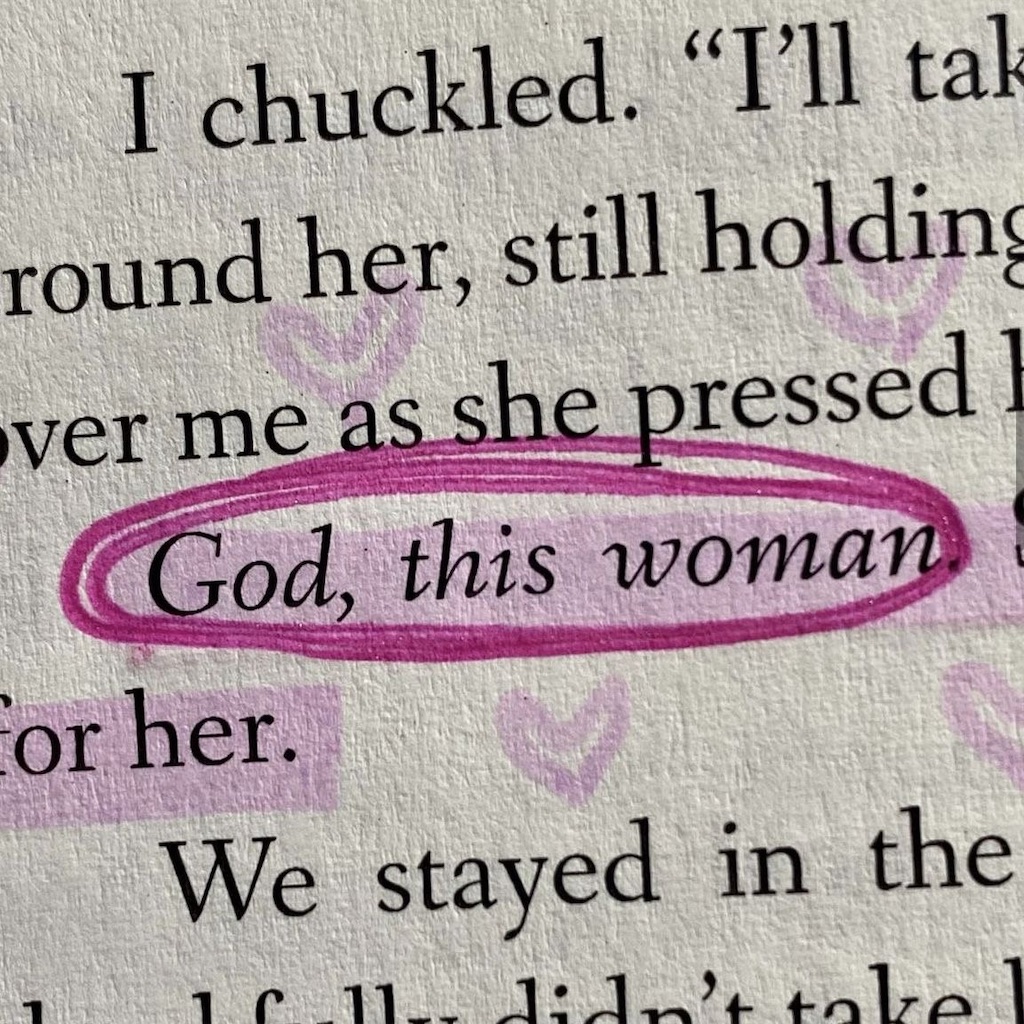
A fairy-tale ending, but one justified by the sexual radiance that shines from the protagonists.
🔍構文と意味
A fairy-tale ending
→ 「おとぎ話のような結末」
→ Darcy と Elizabeth の結婚が、まるで夢のように幸福な結末だという意味。
but one justified by …
→ 「しかし、それも~によって正当化されている」
→ “one” は “ending” の言い換え。
the sexual radiance that shines from the protagonists
→ 「主人公たち(=Elizabeth と Darcy)から放たれる性的な輝き」
→ “radiance” は「輝き」「オーラ」的な意味。
→ “sexual” は露骨な意味ではなく、「男女の魅力」「恋愛的なエネルギー」という文学的表現。
和訳
「おとぎ話のような結末ではあるが、主人公たちからあふれる恋愛的な魅力によって、その結末には十分な説得力がある。」
原文 <11>
If anyone ever has a chance to make a good marriage, these two have.
→ Drabble は「彼らの幸せな結末は単なるロマンチックな夢ではなく、人物の魅力が自然に導いた必然」と述べている。
和訳
もし誰かが本当に理想的な結婚をする運命にあるのだとしたら、それはこの二人に違いない。
原文 <12>
Unlike Elinor Dashwood, she is not too wise — but she is taken in very easily by Mr. Wickham — but she has a quick resilience and easiness of temper that make her able to cut her losses very quickly.
🔍語句と構文
Unlike Elinor Dashwood
→ 「エリナー・ダッシュウッドとは違って」(『Sense and Sensibility(分別と多感)』の主人公エリナーのこと)
she is not too wise
→ 「彼女(エリザベス)はそれほど分別くさいわけではない」
(=あまり理屈っぽくなく、感情的で生き生きしているという意味)
but she is taken in very easily by Mr. Wickham
→ “be taken in”=「だまされる」
→ 「しかし彼女はウィッカムにあっさり騙される」
but she has a quick resilience and easiness of temper
→ 「けれども彼女にはすぐ立ち直る回復力と、穏やかな気性がある」
that make her able to cut her losses very quickly
→ 「それによって彼女はすぐに損切りができる」
→ “cut one’s losses” は比喩で「失敗を認めてすぐに気持ちを切り替える」
和訳
「エリナー・ダッシュウッドほど分別家ではないが、エリザベスはウィッカムに容易く騙されてしまう。それでも、彼女にはすぐ立ち直る強さと、おおらかな気質があり、傷ついても素早く気持ちを切り替えることができる。」
原文 <13>
She is half-disposed to find herself in love with the apparently eligible thirty-year-old Colonel Fitzwilliam, but when he warns her that as a younger son he cannot afford to marry, she quickly swallows what must have been a moment of real mortification for a powerless girl and with some courage teases.
🔍文の流れを分解
She is half-disposed to …
→ “be disposed to do”=「~する傾向がある」
→ “half-disposed” は「半ばその気になっている」
→ 「彼女はフィッツウィリアム大佐を好きになってもよいかな、という気になっている」
apparently eligible thirty-year-old Colonel Fitzwilliam
→ 「一見すると申し分のない三十歳のフィッツウィリアム大佐」
→ “eligible” は「(結婚相手として)条件が良い
but when he warns her that as a younger son he cannot afford to marry
→ 「しかし彼が“次男なので結婚する余裕がない”と彼女に警告したとき」
→ “as a younger son”=長男ではない=財産を継げない設定です。
she quickly swallows what must have been a moment of real mortification for a powerless girl
→ “swallow” は「飲み込む」→「屈辱をぐっとこらえる」
→ “mortification”=「屈辱」「恥」
→ 「経済力のない女性にとっては本当に屈辱的な瞬間だったに違いないのに、彼女はすぐにそれを飲み込み」
and with some courage teases
→ 「そして少しの勇気をもって、軽くからかってみせる」
和訳
「彼女は、見たところ理想的な結婚相手に思える三十歳のフィッツウィリアム大佐に、半ば恋心を抱いてもよいかもしれないと思っていた。だが、彼が「次男なので結婚する余裕はない」と告げると、経済的に無力な女性には屈辱的であったはずのその瞬間をすぐに飲み込み、むしろ勇気をもって軽く彼をからかってみせる」
出典:
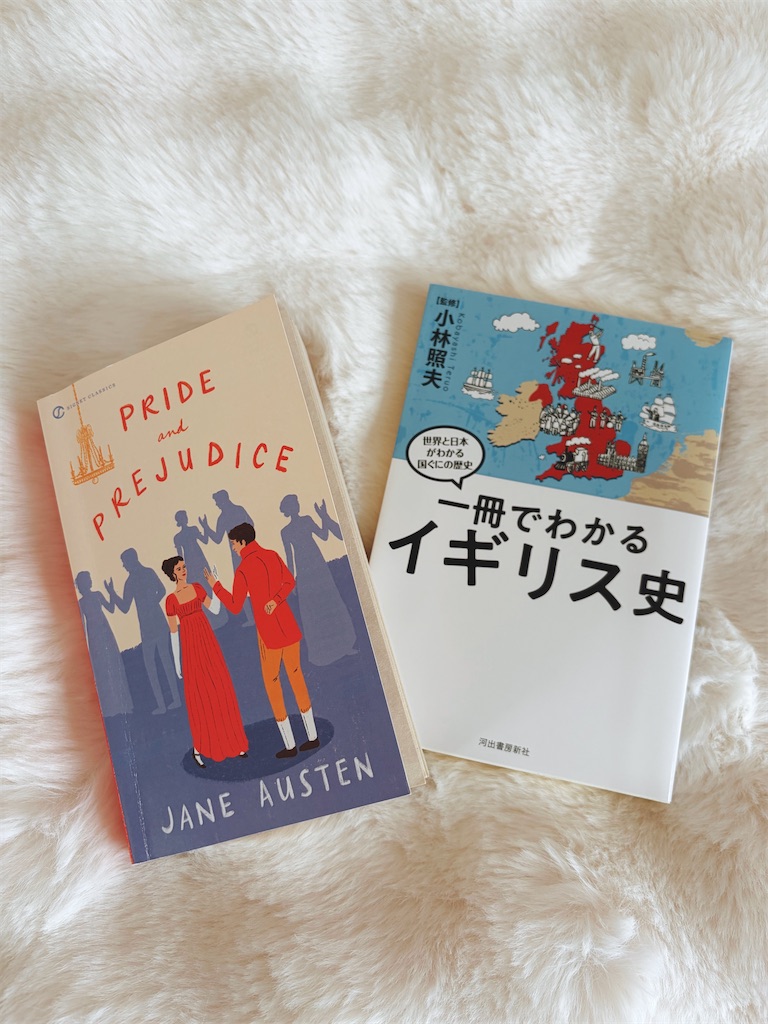
ジェーン・オースティン『高慢と偏見』(Signet Classics, New American Library, 2008年版)
序文:マーガレット・ドラブル(Margaret Drabble)による “Introduction” より引用。
© Margaret Drabble, 2008. 本記事では解説・引用目的で一部内容を参照しています。
※勉強用の個人向け英語解説記事になります